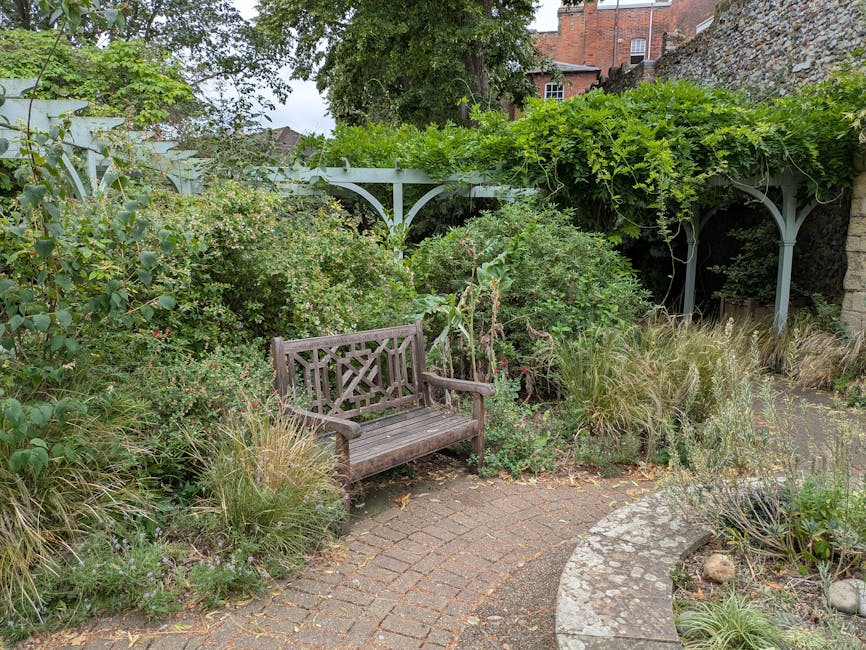
Market Hill Sudbury gardeners for small courtyard gardens
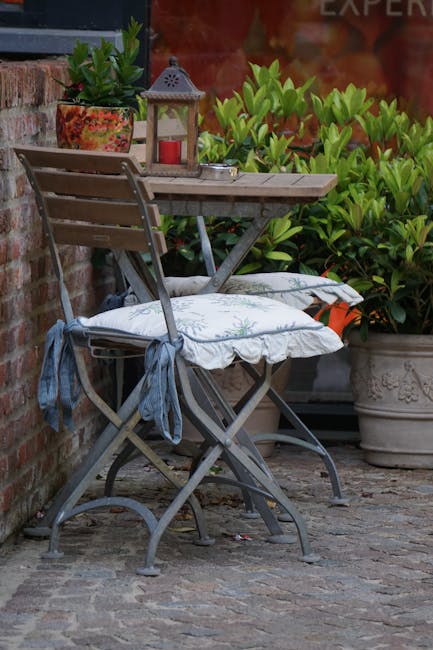
If you have a compact outdoor space and it feels more like a forgotten corner than a proper garden, you are not alone. Small courtyard gardens can be awkward little spaces: shaded in parts, overlooked by neighbours, full of hard surfaces, and just big enough to make every planting choice matter. That is exactly where Market Hill Sudbury gardeners for small courtyard gardens can make a real difference. With the right planning, even a narrow paved yard can become green, calm, and genuinely useful rather than just "nice in summer if you squint a bit".
This guide breaks down what specialist courtyard gardening involves, how it works, what to expect, and how to avoid the common mistakes that waste time and money. Whether you want privacy, lower maintenance, better planting structure, or simply a space that feels finished, you will find practical advice here.
Small spaces reward good decisions. Messy ones, unfortunately, show every mistake.
Use this article to understand the process, compare options, and decide whether professional help is the right next step for your courtyard.
Why Market Hill Sudbury gardeners for small courtyard gardens Matters
Courtyard gardens are different from larger plots in one very important way: there is nowhere for poor planning to hide. A planting scheme that looks fine on paper can quickly feel cramped once the pots arrive, the furniture is added, and the bins, downpipes, paving edges, or fence lines start competing for attention. In a small garden, every metre carries more weight.
That is why local gardeners with experience in compact spaces matter. They are not just cutting grass or planting a few shrubs. They are looking at scale, drainage, light, privacy, and circulation all at once. In a courtyard, the best result usually comes from a blend of practical maintenance and design thinking. It is part tidy-up, part puzzle, part small-space styling. A bit like arranging a room where the walls keep changing shape.
In Sudbury and the Market Hill area, many homes and town properties have enclosed outdoor areas that need careful handling. Some are bright but windy, some are shaded by walls or taller buildings, and some feel visually dominated by hard landscaping. A specialist approach helps you use the space properly rather than simply filling it.
To be fair, a courtyard does not need to be huge to feel generous. It just needs proportion, rhythm, and a plan that suits how you actually live.
How Market Hill Sudbury gardeners for small courtyard gardens Works
Working on a small courtyard garden usually starts with a practical assessment. A good gardener will look at sunlight across the day, existing surfaces, drainage, access, privacy, plant health, and how the space is used. Are you stepping out there for coffee in the morning, or do you want a private evening seating area? Is it meant to be low maintenance, or do you enjoy watering and seasonal change?
From there, the work often falls into a few core stages:
- Assessment and brief - understanding the space, your preferences, and any problem areas such as poor soil, patchy light, or overgrown edges.
- Clearance and preparation - removing dead growth, clutter, tired containers, or old materials that are making the space feel smaller than it is.
- Design shaping - choosing structure, focal points, containers, screening, and planting layers so the courtyard feels balanced.
- Planting and placement - selecting plants that suit the conditions and placing them where they will actually thrive.
- Maintenance planning - setting up a realistic routine for pruning, feeding, watering, and seasonal tidying.
For many homeowners, the biggest win is not a dramatic makeover. It is simply getting the space to work properly. A narrow garden can feel calmer with the right wall planting. A bleak paved yard can suddenly feel softer with a few well-sized pots and a climbing plant that does the heavy lifting. That kind of transformation is subtle, but you notice it every time you open the door.
Good courtyard gardening also depends on restraint. Not every corner needs a feature. Not every gap needs filling. Sometimes the smartest move is leaving breathing room.
Key Benefits and Practical Advantages
There are several real advantages to using gardeners who understand small courtyard spaces, especially when the garden has to do more than look nice. It may need to provide privacy, sit alongside a kitchen or sitting room, or cope with awkward conditions year-round.
- Better use of limited space - careful planning stops the garden from feeling cluttered or underused.
- More privacy - well-positioned planting, trellis work, or screening can soften sightlines without blocking light completely.
- Lower maintenance - the right plants and layout reduce constant tidying and disappointing plant failures.
- Improved visual balance - a small garden looks more polished when proportions are thought through.
- Healthier planting - matching plants to shade, sun, and drainage gives them a proper chance.
- Year-round appeal - structure, evergreen planting, and containers help the space hold up beyond the summer months.
There is also a quieter benefit: confidence. When the courtyard feels sorted, you are more likely to use it. You sit out there with a mug of tea. You take five minutes in the morning. You stop treating the space like a problem and start treating it like part of the home.
Practical takeaway: In a small courtyard, the best results usually come from fewer, better choices rather than more features. Simplicity, done well, almost always wins.
Who This Is For and When It Makes Sense
This kind of gardening support makes sense for a wide range of people. Some know exactly what they want and just need skilled hands to deliver it. Others know only that the garden feels messy, cramped, or unfinished and want help figuring out the rest.
You may benefit from a specialist courtyard gardener if you:
- have a small paved, walled, or enclosed garden that feels difficult to shape
- want a tidy, attractive outdoor area without high ongoing effort
- need privacy from overlooking properties
- have plants that keep failing because the conditions are wrong
- want a better layout for seating, bins, paths, or containers
- are preparing a property for sale or letting and need the outside space to look cared for
- have inherited an outdoor area that has been neglected for a while
It also makes sense if you have already tried a few fixes and they have not lasted. That is common, by the way. Many people buy a few nice pots, add some compost, plant a couple of shrubs, and then discover the issue was not the plants at all. It was the structure, the light, or the drainage. Small gardens are cheeky like that.
If you are unsure whether professional help is worth it, ask yourself one blunt question: do you want a courtyard that merely exists, or one you actually enjoy using?
Step-by-Step Guidance
If you are planning work in a compact garden, the cleanest way to approach it is step by step. Rushing straight to plant shopping is how people end up with overcrowded, mismatched spaces and a lot of regret a few months later.
1. Start with how you want to use the space
Write down the main purpose. Is it for sitting, entertaining, growing plants, adding greenery for privacy, or creating a calm view from indoors? One courtyard often needs to do several of these things, but there should still be a clear priority.
2. Measure the usable area properly
Not just the full footprint. Note the awkward bits too: narrow strips, shaded corners, access routes, and anything that cannot be blocked. In a small space, a 60-centimetre strip can matter more than you expect.
3. Map sun, shade, and wind
Observe the garden at different times of day. Morning sun may hit one wall while the afternoon light disappears. A windy courtyard may need stronger planting or more sheltered positioning. A damp, shady plot will call for a very different plant palette than a bright south-facing yard.
4. Clear out what is not working
Old pots, broken ornaments, tired compost, and dead plants can make a small garden feel chaotic very quickly. A bit of clearance creates breathing space before design decisions are made. Sometimes this stage is the biggest transformation all by itself.
5. Decide on structure first
Think about walls, edging, raised planters, trellis, paving lines, and seating. Structure gives small gardens a sense of order. Once that is in place, planting feels easier and the whole space looks more intentional.
6. Choose a limited plant palette
Too many different plants can make a courtyard feel busy rather than beautiful. A narrower palette, repeated in clusters, often looks more refined. Use evergreen plants for backbone, seasonal flowers for interest, and maybe one or two accent plants for a focal point.
7. Set up maintenance from the start
Every garden needs care, even the low-maintenance ones. Build in watering access, simple pruning access, and a schedule for seasonal tidy-ups. If a garden is hard to maintain, it will usually stop looking good sooner than expected. Bit obvious, but true.
Expert Tips for Better Results
In our experience, the best courtyard gardens are the ones that look deceptively simple. You glance at them and think, "That feels calm." Getting there takes a little discipline.
Use repetition. Repeat a pot shape, a plant species, or a colour tone to make the garden feel coherent. Repetition creates rhythm. Randomness creates noise.
Choose the right container sizes. Tiny pots are fine for a windowsill, but they often dry out too quickly in a courtyard. Larger containers give roots more room and usually look better in scale with the space.
Mix texture, not just colour. Leaf shape, surface texture, and height changes often matter more than flowers alone. A courtyard with glossy leaves, feathery grasses, and a rough stone wall can feel rich without being fussy.
Think vertically. Small gardens benefit hugely from wall-growing plants, trellis, and tall but narrow specimens. Going upward creates the impression of more space without eating the floor area.
Keep a path clear. If moving around the garden feels awkward, the layout is probably too tight. You should not have to shuffle sideways past a pot every time you go out for the paper.
Plan for winter as well as summer. A courtyard that only looks alive in June is a half-finished job. Evergreens, bark texture, architectural stems, and well-chosen structure keep the garden from looking empty in colder months.
Use scent thoughtfully. Near a seating area or doorway, fragrant plants can make a tiny garden feel luxurious. Just avoid overpowering the space. A whisper of scent is better than a blast.
One last thing: do not over-decorate in the hope of making the garden feel finished. Often the most elegant small spaces have fewer items, placed more carefully.
Common Mistakes to Avoid
Small courtyard gardens are unforgiving in the nicest possible way. They tell the truth fast. Here are the errors that crop up again and again.
- Buying plants before planning the layout - lovely plant, wrong spot, wrong outcome.
- Using too many different styles - mixed materials and random containers can make the space feel chopped up.
- Ignoring drainage - in tight spaces, water can pool or sit in containers for too long.
- Choosing plants that outgrow the area - what starts as neat can become crowded very quickly.
- Blocking light with the wrong screening - privacy is useful, but not if the courtyard ends up gloomy.
- Neglecting access for maintenance - if you cannot reach it, you will not maintain it properly.
- Overloading the garden with furniture - a small courtyard is not a showroom.
Another mistake is trying to make a courtyard do too much at once. If you want a dining area, a play area, deep planting borders, and storage, something will have to give. That is not failure. It is just physics. Small space physics, if you like.
The better approach is honest prioritising. Decide what matters most, then let the design support that.
Tools, Resources and Recommendations
Most small courtyard projects rely on a practical toolkit rather than anything flashy. A gardener working in a compact space will typically use hand tools, container materials, soil improvers, and support structures chosen for the site rather than for show.
Useful tools and materials often include:
- secateurs and hand shears for precise pruning
- spades and trowels for planting and soil work
- quality compost and topsoil blends suitable for containers or borders
- gravel, mulch, or bark to suppress weeds and tidy exposed areas
- trellis, canes, and fixings for vertical planting
- planters and pots sized to suit the mature plant, not just the current one
- watering equipment that reaches all parts of the courtyard easily
For ongoing help, many homeowners find it useful to combine specialist courtyard work with more general upkeep through garden maintenance. That can keep the space in shape after the initial refresh, especially if the courtyard includes a few planted containers, climbers, or a small lawn edge nearby.
If the space has become heavily overgrown or cluttered, starting with garden clearance can make the whole project much easier. It is not glamorous, but it is often the part that unlocks everything else.
For homeowners who want a broader view of available help, the services overview is a sensible place to understand how different types of work fit together. And if your courtyard has a few hard landscaping needs, such as edging or surfacing, you may also find the wider approach to landscaping helpful.
Law, Compliance, Standards, or Best Practice
Courtyard gardening is usually straightforward, but there are still sensible standards and responsibilities to bear in mind. If you are hiring anyone to work on your property, it is fair to expect safe working practices, clear communication, and proper care around tools, waste, access, and materials.
Good practice generally includes:
- safe handling of tools and equipment to reduce risk to people and property
- careful disposal or recycling of green waste where appropriate
- respect for neighbours and shared boundaries in tightly packed residential areas
- checking plant suitability so roots, mature spread, and growth habits do not create future problems
- considering drainage and runoff if the courtyard has hard surfaces or limited soakaway space
If work involves climbing, heavy lifting, or awkward access, it is sensible to ask how safety is managed. A professional outfit should be able to talk plainly about insurance, risk controls, and safe working habits. No drama, just clarity. That is what you want.
If any planting or structural work could affect shared walls, boundaries, or visibility, it is wise to think carefully before starting. In most ordinary garden jobs this is not complicated, but a measured approach helps avoid disputes later.
For reassurance on company standards and policies, you can also review information such as health and safety policy details and insurance and safety information. That does not replace common sense, of course, but it does help you choose with more confidence.
Options, Methods, or Comparison Table
Not every courtyard needs the same approach. Some need a tidy seasonal reset. Others need a more thoughtful redesign. Here is a simple comparison to help you judge the options.
| Approach | Best for | Typical outcome | Main trade-off |
|---|---|---|---|
| Basic tidy-up and planting | Courtyards that are already workable but look tired | Cleaner, fresher, more inviting | May not solve layout or privacy issues |
| Maintenance-focused care | Spaces that need regular attention more than redesign | Neater growth, healthier plants, better seasonal control | Less dramatic visual change |
| Full courtyard redesign | Gardens with poor structure, weak planting, or awkward flow | Better layout, clearer style, improved usability | More planning and usually more time |
| Hard landscaping plus planting | Courtyards needing new surfaces, raised beds, or screening | Strong transformation and better long-term function | Higher complexity and a bigger commitment |
If you are not sure which route you need, start with the question that matters most: do I need a refresh, or do I need a rethink? That simple distinction saves a lot of back and forth.
For some properties, combining soft planting with elements like decking services or other hard features can make a compact space much more usable. For others, a lighter touch is better. The right answer depends on the courtyard, not on a trend.
Case Study or Real-World Example
Picture a small enclosed courtyard behind a typical Sudbury property. It had paving, a couple of tired pots, one overgrown shrub, and not much else. The owner liked the idea of a garden but had stopped using it because it felt exposed and cluttered. On warm days, the space reflected heat from the paving and looked harsher than it felt in memory.
The solution was not to cram in more plants. That would have made things worse. Instead, the space was cleared back, the awkward middle section was left open for movement, and planting was concentrated along the edges. Taller plants were used in the right places to create height and soften the walls. A few larger containers were chosen rather than lots of little ones. The result was calmer, greener, and easier to care for.
Nothing magical happened. No miracle makeover. Just sensible decisions made in the right order.
What changed most was how the owner used it. They started taking breakfast outside on dry mornings and leaving the door open in the evening. A small garden can do that. It does not need to be grand to be meaningful.
Practical Checklist
Use this checklist before starting work on a small courtyard garden. If several boxes are still unanswered, it probably means the project needs more planning first.
- Have I measured the usable space accurately?
- Do I know which parts get sun, shade, or wind?
- Is drainage likely to be an issue anywhere?
- Have I decided what the space is mainly for?
- Have I cleared out items that no longer earn their place?
- Do I have a limited, coherent plant palette?
- Are the container sizes suitable for mature plant growth?
- Have I kept clear walking and access routes?
- Will I be able to water and prune everything easily?
- Have I thought about year-round structure, not just summer colour?
- Do I understand what maintenance will be needed after the work is done?
Quick reminder: If a courtyard looks good only when you stand in one exact spot, it probably needs refining. A better design should work from the door, from the seating area, and from inside the house too.
Conclusion
Small courtyard gardens can be deceptively challenging, but they are also deeply rewarding when they are done properly. The right approach turns a tight, awkward outside area into something calm, useful, and quietly beautiful. That is why Market Hill Sudbury gardeners for small courtyard gardens matter so much: they bring experience, judgement, and practical care to spaces where every choice counts.
If you focus on structure first, choose plants that suit the conditions, and avoid overcrowding, your courtyard can feel larger, greener, and far more welcoming than you might expect. And honestly, that little bit of daily pleasure when you open the door? It adds up.
Get a free quote today and see how much you can save.
If you are ready to move from "I should really sort this out" to a courtyard you actually enjoy using, start with a clear conversation about the space, your goals, and what you want the garden to feel like. A good plan is half the battle, and the other half is simply getting it done well.
Frequently Asked Questions
What do Market Hill Sudbury gardeners for small courtyard gardens usually help with?
They usually help with layout advice, planting, pruning, clearance, container selection, privacy improvements, and regular maintenance. In a small courtyard, the work often focuses on making the space feel less cluttered and more usable.
Can a small courtyard garden really feel bigger?
Yes, absolutely. Good structure, restrained planting, vertical interest, and clear paths can make a courtyard feel more open than its actual size. It is not magic, just sensible design.
What plants work best in a compact courtyard?
The best plants depend on the light and shelter conditions. Evergreen structure, shade-tolerant plants for darker areas, and carefully chosen climbers or container plants often work well. The key is matching the plant to the spot rather than buying what looks nice on the label.
How often does a small courtyard garden need maintenance?
That depends on the planting style. Some courtyards need only occasional pruning and tidying, while more densely planted spaces may need monthly attention during the growing season. A well-designed courtyard should be easier, not harder, to maintain.
Is a courtyard garden expensive to improve?
It can be modest or more involved, depending on whether you need simple clearance and planting or a more complete redesign. Costs usually rise with hard landscaping, screening, and bespoke features. It is often sensible to get pricing before making assumptions.
What is the biggest mistake people make with small courtyard gardens?
Overcrowding. People often try to fill every space at once, which makes the garden feel smaller and harder to care for. Leaving some space open is not wasted space; it is what gives the garden room to breathe.
Can I have privacy in a courtyard without blocking light?
Yes. The trick is to use layered screening, climbing plants, or partial partitions rather than solid barriers everywhere. Good privacy should soften views, not turn the garden into a cave.
Should I choose pots or borders for a small courtyard?
Often a mix works best. Pots are flexible and useful where ground conditions are poor, while borders or raised planters can give structure and make planting feel more integrated. A good gardener will usually recommend the balance that suits your space.
Do I need hard landscaping as well as planting?
Not always, but sometimes yes. If the courtyard has poor surfaces, awkward levels, or no clear structure, hard landscaping can make a big difference. If the bones of the space are already good, planting alone may be enough.
How do I keep a courtyard garden looking good in winter?
Use evergreen structure, architectural stems, and a few reliable containers or features that still look good when flowers are gone. Winter interest matters more in small gardens because bare patches are more noticeable.
What should I ask before hiring a gardener for a courtyard project?
Ask about experience with small spaces, maintenance options, safety practices, how they approach drainage and light, and whether they can help with both design and upkeep. You want someone who understands the real-life use of the space, not just the aesthetics.
Where can I learn more about related garden services?
If you want a broader picture of what can be done, it helps to look at the available services overview, or explore practical support such as garden maintenance and garden clearance. Those services often support courtyard work in a very direct way.
Small gardens are funny things. Treat them well, and they give back a lot more than their size suggests.